South Korea is a country of vibrant contrasts. From bustling cities to serene mountains, ancient palaces to futuristic architecture, South Korea offers something for every traveler. Whether you’re drawn to cultural heritage, natural beauty, or culinary adventures, this fascinating country will not disappoint. Here are the seven best places to visit in South Korea that should be on every traveler’s itinerary.
1. Seoul – The Heart of Modern Korea
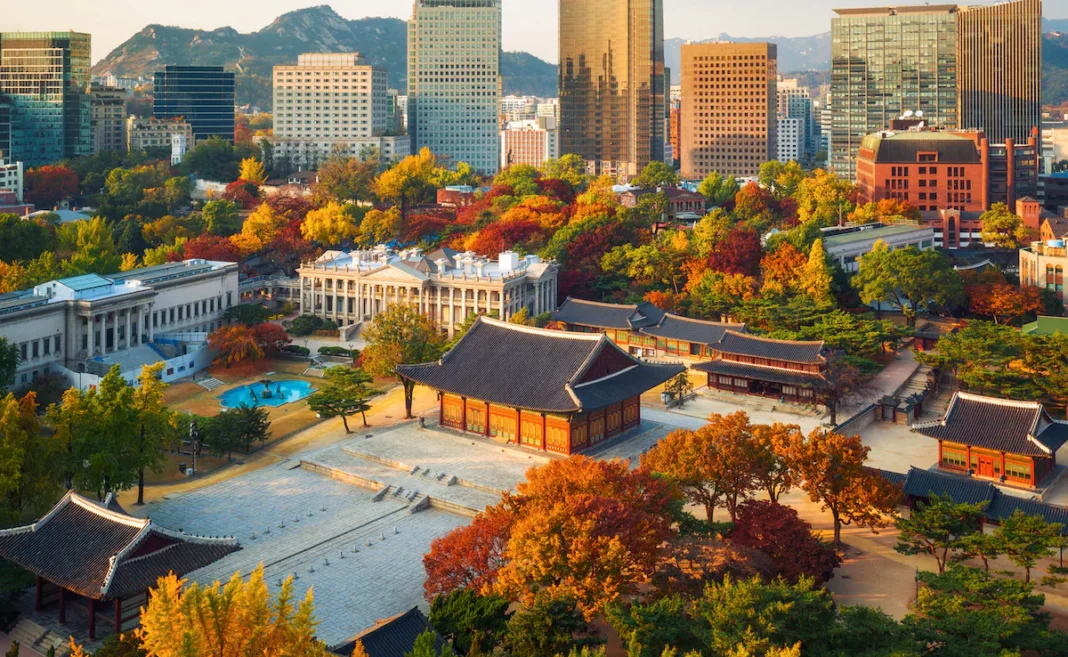
Seoul, the capital of South Korea, is a dynamic metropolis where ancient traditions coexist with cutting-edge technology. The city is known for its towering skyscrapers, expansive shopping districts, and vibrant nightlife, but it’s also home to historic sites that tell the story of Korea’s rich past.
One of the must-visit attractions in Seoul is Gyeongbokgung Palace, the largest of the Five Grand Palaces built during the Joseon Dynasty. Visitors can witness the ceremonial changing of the guard and explore the stunning architecture and gardens. Nearby, the Bukchon Hanok Village offers a glimpse of traditional Korean houses (hanok) tucked between modern buildings.
Seoul is also a haven for food lovers. Areas like Myeongdong and Insadong are packed with street food stalls where you can savor tteokbokki (spicy rice cakes), hotteok (sweet pancakes), and freshly fried dumplings. For tech enthusiasts and pop culture fans, Gangnam and Dongdaemun Design Plaza showcase Korea’s futuristic side, blending fashion, art, and innovation.
2. Busan – Beaches, Markets, and Mountains
Busan, South Korea’s second-largest city, is famed for its stunning beaches, vibrant markets, and picturesque mountains. Unlike the fast-paced energy of Seoul, Busan offers a more relaxed coastal vibe. Haeundae Beach and Gwangalli Beach are perfect for sunbathing, water sports, or enjoying local seafood restaurants by the shore.
For a cultural experience, the Gamcheon Culture Village is a must-see. This colorful hillside neighborhood is filled with murals, art installations, and charming cafes, making it a favorite among photographers. The Jagalchi Fish Market is another highlight, where visitors can explore hundreds of stalls selling fresh seafood and even have their purchases prepared on the spot.
Nature lovers can hike up Geumjeong Mountain or visit the Haedong Yonggungsa Temple, a stunning seaside temple that offers breathtaking views of the ocean.
3. Gyeongju – Korea’s Museum Without Walls
Known as the “museum without walls,” Gyeongju is a treasure trove of Korean history and culture. Once the capital of the ancient Silla Kingdom, the city is dotted with historic sites, tombs, and temples that date back over a thousand years.
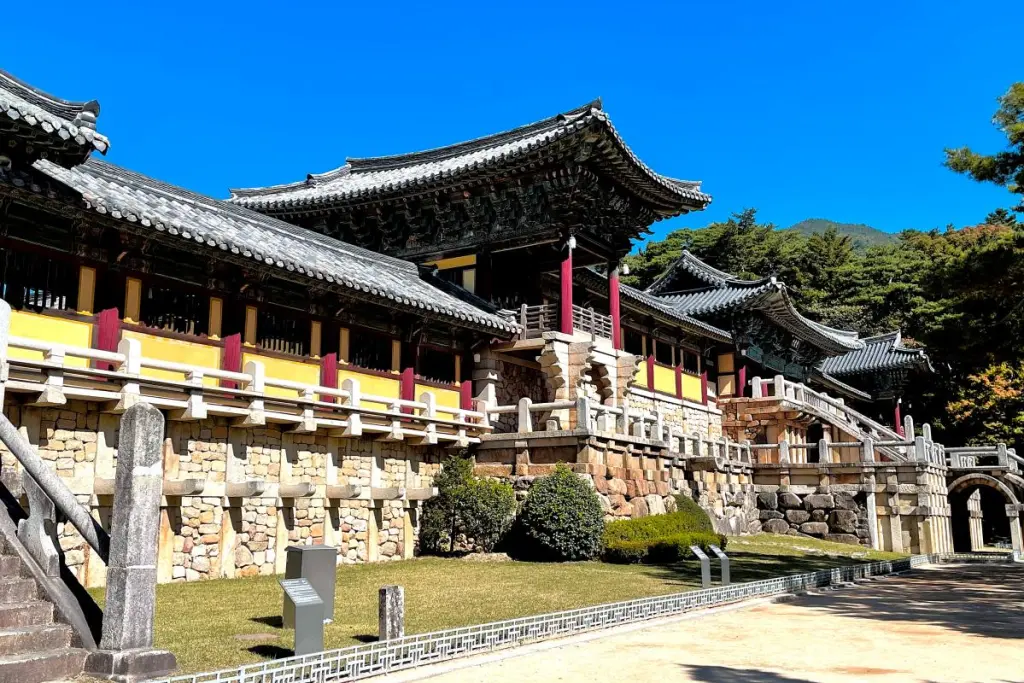
The Bulguksa Temple, a UNESCO World Heritage site, is a masterpiece of Buddhist architecture, featuring intricate carvings, pagodas, and serene gardens. Nearby, the Seokguram Grotto houses a remarkable stone Buddha statue that draws pilgrims and tourists alike.
For those interested in Korea’s royal heritage, the Gyeongju National Museum displays artifacts from the Silla era, including crowns, pottery, and sculptures. The city is also famous for its scenic Anapji Pond, which reflects beautifully lit pavilions in the evening, offering a magical experience for visitors.
4. Jeju Island – Nature’s Paradise
Jeju Island is South Korea’s premier holiday destination, often described as a natural paradise. Located off the southern coast, this volcanic island is famous for its unique landscapes, waterfalls, and coastal cliffs.
One of the island’s highlights is Hallasan Mountain, the highest peak in South Korea, which offers hiking trails through lush forests and crater lakes. The Manjanggul Lava Tube, a UNESCO World Heritage site, is another geological wonder that showcases the island’s volcanic history.
Jeju is also famous for its beaches, such as Hyeopjae and Jungmun, and its traditional villages, where visitors can explore local culture and sample fresh seafood. Don’t miss tasting the island’s famous tangerines, considered some of the sweetest in the world.
5. Incheon – Gateway to Korea
Incheon is often overlooked by travelers in favor of Seoul, but this port city has plenty to offer. Most visitors know it as the location of Incheon International Airport, one of the busiest airports in the world, but the city itself is rich in history and culture.
Incheon Chinatown is the largest in Korea and offers an interesting fusion of Korean and Chinese cuisine and architecture. Nearby, Songdo International Business District showcases futuristic urban planning, complete with canals, parks, and eco-friendly buildings.
For history buffs, Wolmido Island offers a nostalgic amusement park, seaside boardwalk, and monuments commemorating Korea’s role in modern history. Incheon’s combination of history, culture, and modernity makes it an intriguing destination for travelers.
6. Daegu – Festivals and Traditional Markets
Daegu, located in the southeastern part of the country, is known for its lively festivals and rich cultural heritage. The city is surrounded by mountains, making it ideal for hiking and exploring natural landscapes.
One of Daegu’s most famous attractions is the Apsan Park, which offers panoramic views of the city and scenic walking trails. The Donghwasa Temple, located on the slopes of Palgong Mountain, provides a serene escape from urban life.
Daegu is also known for its bustling traditional markets, such as Seomun Market, where visitors can shop for textiles, local snacks, and handmade crafts. The city’s vibrant festival scene, including the Daegu International Opera Festival and Colorful Daegu Festival, showcases the local arts, music, and culture.
7. Suwon – Fortress City
Suwon, just south of Seoul, is famous for its well-preserved Hwaseong Fortress, a UNESCO World Heritage site that showcases impressive military architecture from the late 18th century. Visitors can walk along the fortress walls, explore the gates, and enjoy panoramic views of the city.
The city is also a hub for Korean food enthusiasts. Suwon is renowned for its galbi (marinated beef ribs), which you can enjoy at local restaurants near the fortress. Additionally, Suwon’s streets are lined with markets, cafes, and cultural landmarks that provide a quieter, more relaxed experience compared to Seoul.
South Korea offers a remarkable blend of history, nature, and modernity. From the bustling streets of Seoul to the serene landscapes of Jeju Island, each destination has its own charm and unique experiences to offer. Whether you’re hiking ancient mountains, exploring colorful villages, or savoring delicious street food, these seven destinations are essential for anyone wanting to experience the heart and soul of South Korea.